Verdun 1916: Steel Inferno by Walter Vejdovsky

Verdun 1916: Steel Inferno by Walter Vejdovsky

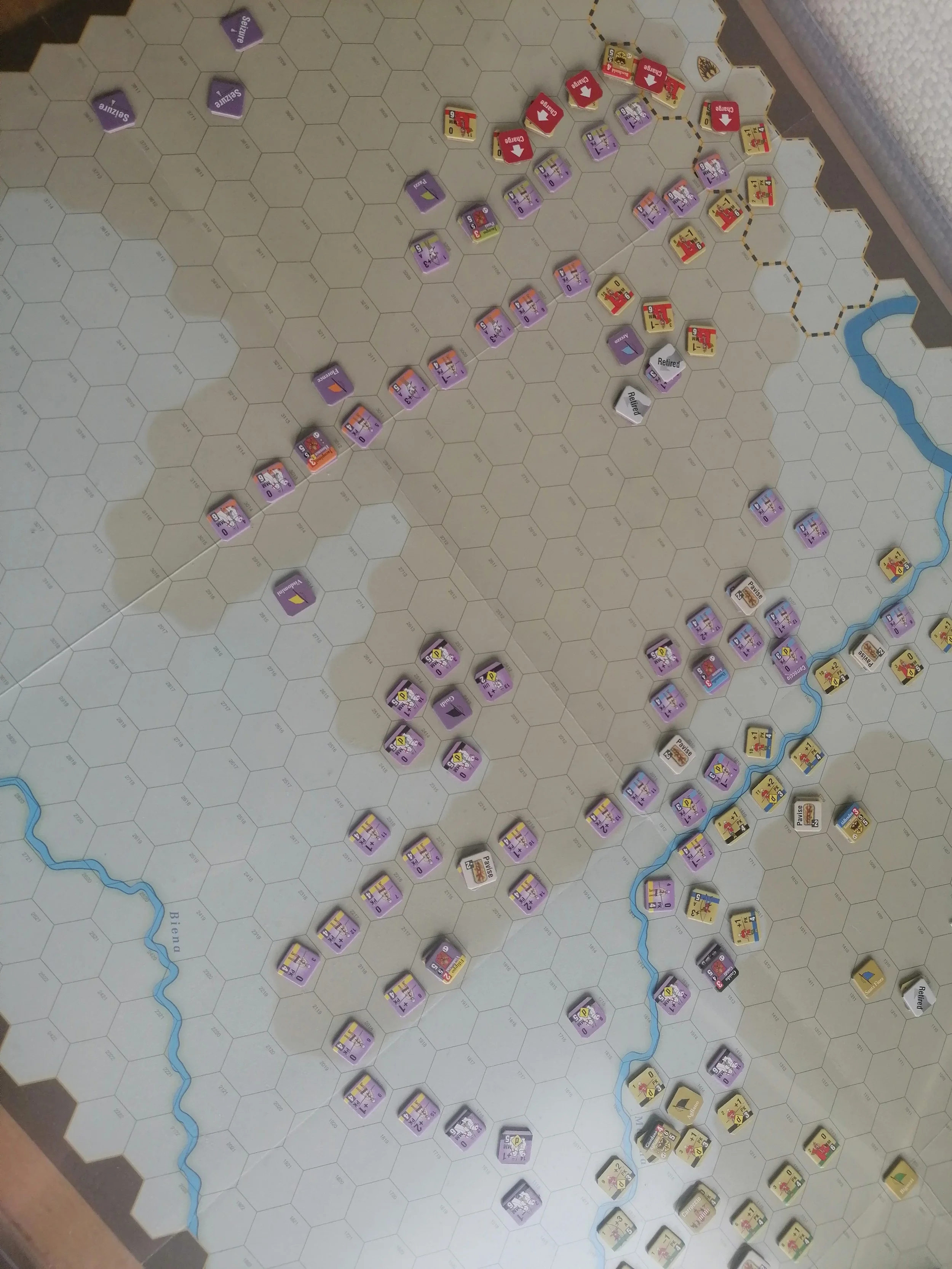
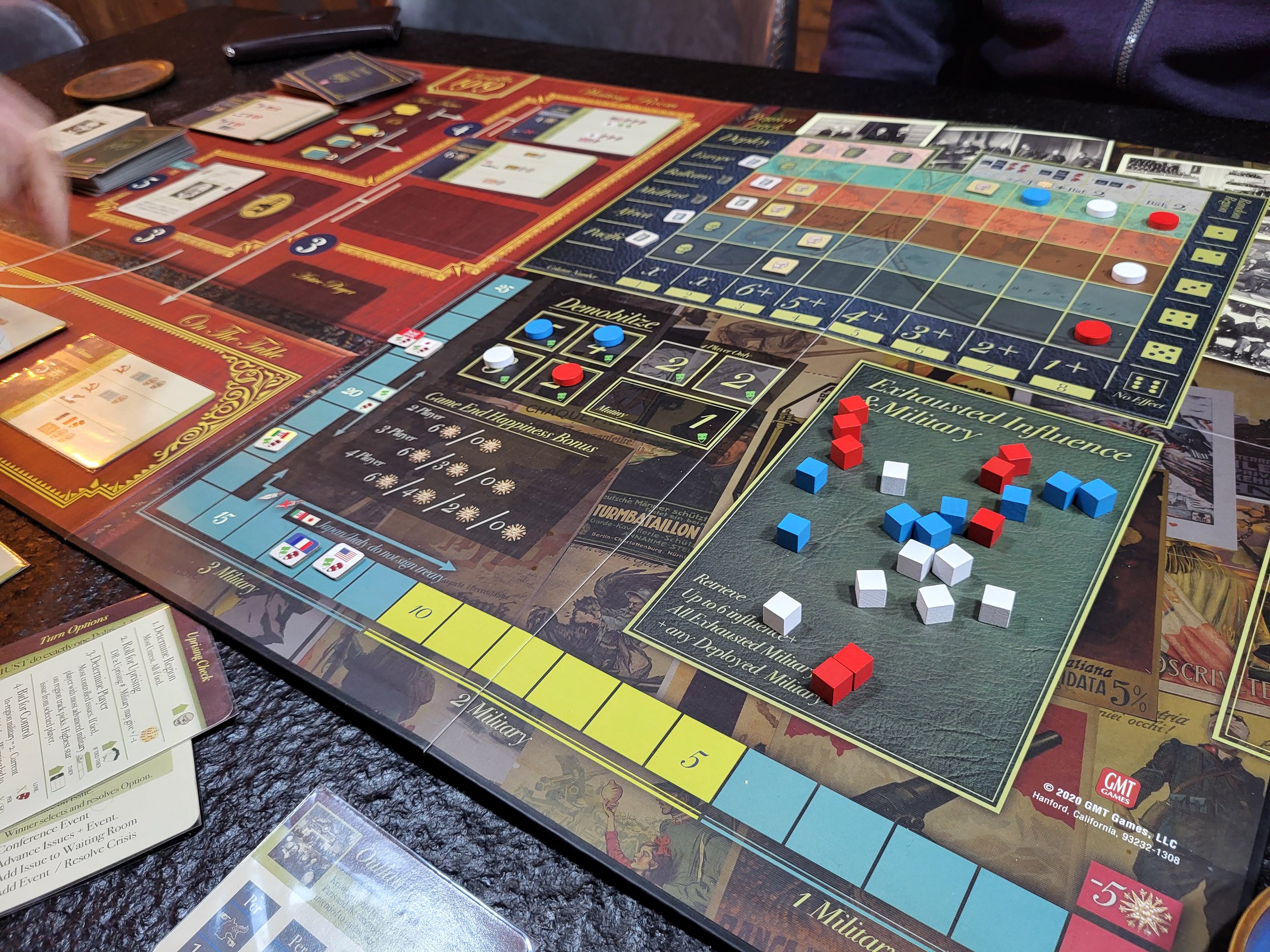
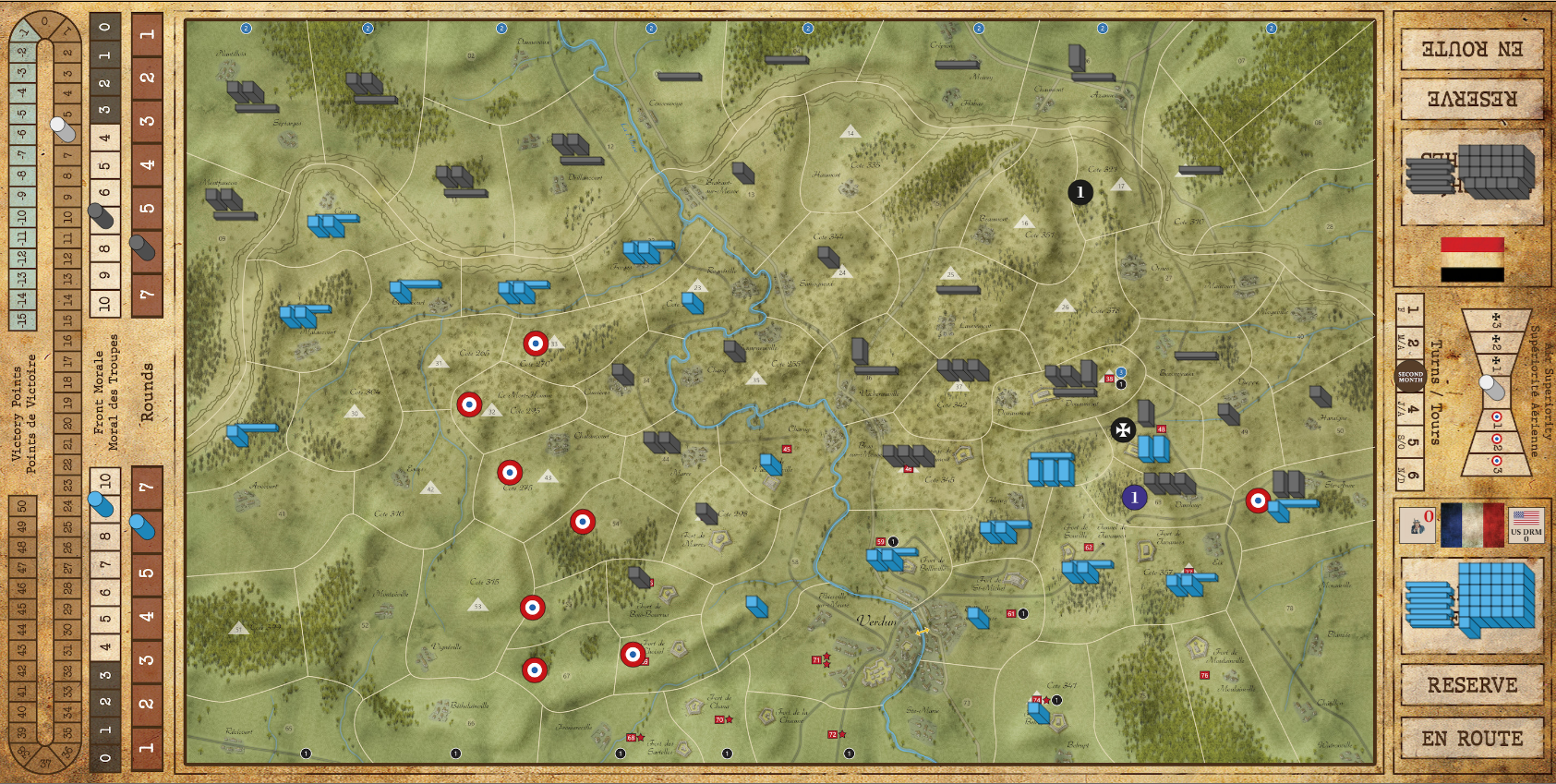
Like many people I imagine, I first heard about Verdun 1916: Steel Inferno from a livestream on the Homo Ludens YouTube channel, where several prominent designers of card driven games (CDGs) highlighted it as one of their favorite games in the genre. However, many years, and a second appearance of the game on Homo Ludens, would pass before I played Verdun for myself. I long held off on buying it, for lack of anyone to play CDGs with (I, for one, don’t love soloing CDGs), but I was given a copy in a Secret Santa for Christmas 2024 and set myself a goal of playing it. I initially struggled and it sat neglected on my shelf, but I was finally saved by the addition of Verdun to the excellent website Rally the Troops.

I no longer had an excuse, so I set about learning and playing as many games of Verdun as I could over the winter break in 2025 (and in early 2026). Even with around half a dozen games under my belt now, I still feel like a novice. While not a complex game, there is clearly a lot of depth to Verdun, and I can feel my own lackluster skills every game I play.

La Belle Film Noir

La Belle Film Noir

I’m not sure exactly when I first became obsessed with Film Noir. It may have been when I took an Introduction to Film Studies course in second year of university, but I had seen several noir classics even before then. My family watched quite a lot of black and white movies when I was growing up. These were more often traditional westerns rather than noirs, a product of several months spent in Arizona where we checked out basically every western the local university library had, but by age 18 I had seen at least Key Largo and The Big Sleep and probably a few others.

Despite being a big fan of noir as a genre, I had only seen the genre’s most famous members. I had tried to dive deeper over the years, but it was surprisingly hard to find noirs to watch – they are not readily available on most streaming platforms and DVD collections usually just have the same famous ones every time. Two factors came together last year to change that: the first was the discovery that there are a lot of old noir films on the Internet Archive and the second was my partner becoming very interested in noir as well. Together, we watched 117 noirs between September and the end of 2025, and we’re not planning on stopping in 2026. The end of the year makes a great time to reflect on noir and how my relationship with it has changed as I’ve watched way, way more films, so I decided to write a little something about it.

Most Anticipated Games: 2026 Edition

Most Anticipated Games: 2026 Edition

I did a terrible job at predicting what games would come out in 2025. In my defense, I didn’t see the tariffs and trade war between the US and China coming, which caused massive disruption to the tabletop games industry and delayed lots of games. Of the 11 games on my list last year, only 4 actually came out in 2025. Of those four, I own two of them and have played zero (but I set up one of them on my table!). That’s pretty embarrassing, but the silver lining is that it should make it easy for me to do better next year.

Last year I recapped, in brief, the games from my list that I had played, but since this year I played literally none of them there’s no point in doing so!

2025 in Review – Top 8 Books

2025 in Review – Top 8 Books

My goal for 2025 was to read 35 books, a significant drop from the 50 I had set in previous years, but one that allows me to dive deeper into longer books, which I did this year. I plan on keeping my goal at 35 in 2026 because I’ve got some hefty doorstoppers on my shelf to dig into this year, and I don’t want these reading goals to be stressful. I’m also trying to avoid buying too many books this year, as I will probably be moving back to Ireland in July and weight limits are a concern, so my goal for this year is to read all the unread books currently on my shelf. Wish me luck.

Per tradition, I have chosen my eight favorite books I read this past year, split evenly between fiction and non-fiction.

2025 in Review – Top 7 Games

2025 in Review – Top 7 Games

Normally I start these posts with a rundown on my year in gaming and life, but not much happened in 2025 so there’s not much to report, especially compared to 2024 when I moved to a new continent and started a new project. I am still living in South Korea and enjoying it, so no news there. I started a new job in the spring, which ended up eating up quite a lot of my free time, especially in the autumn, so I didn’t learn nearly as many new wargames this year as I would have liked.

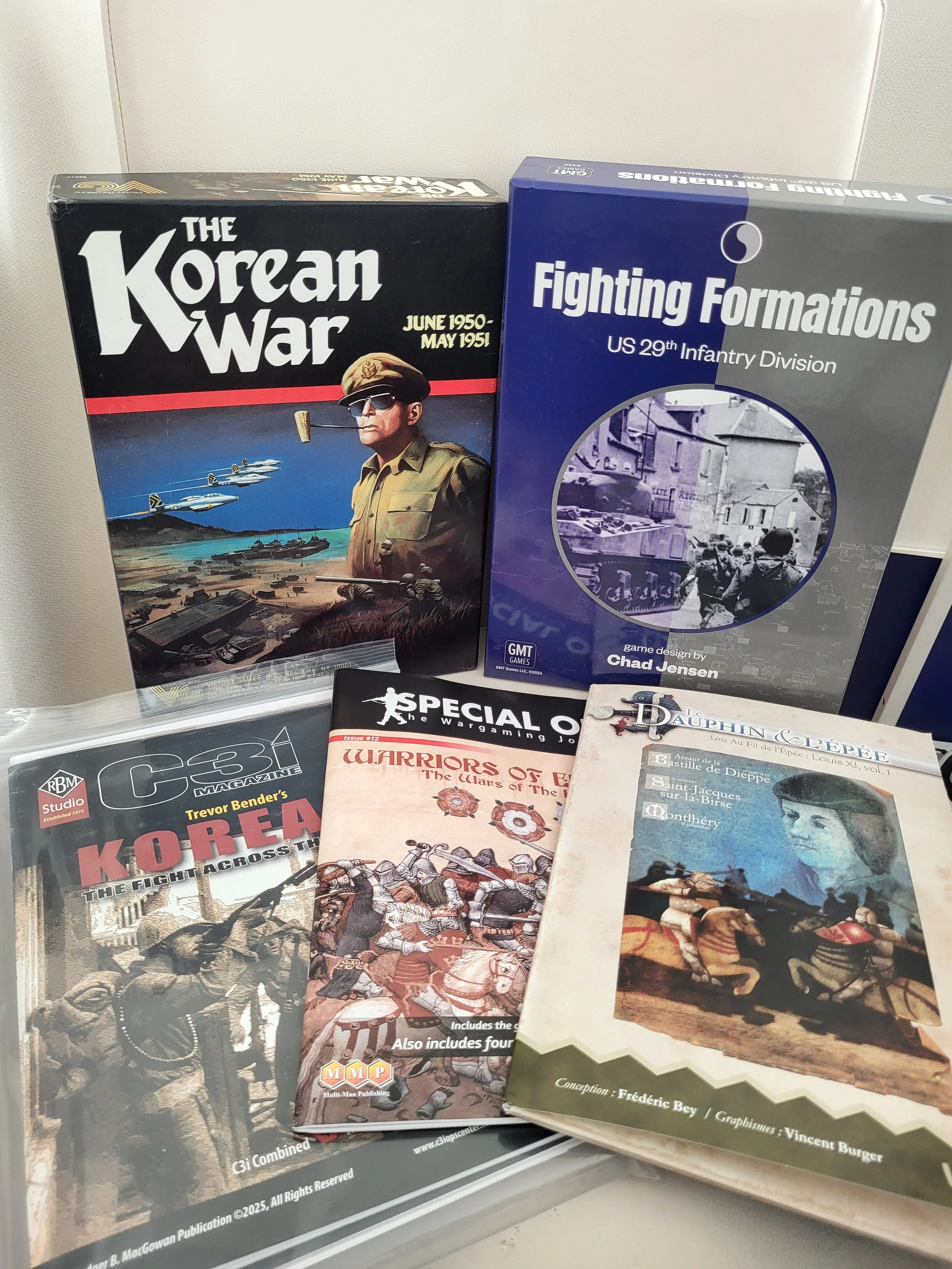
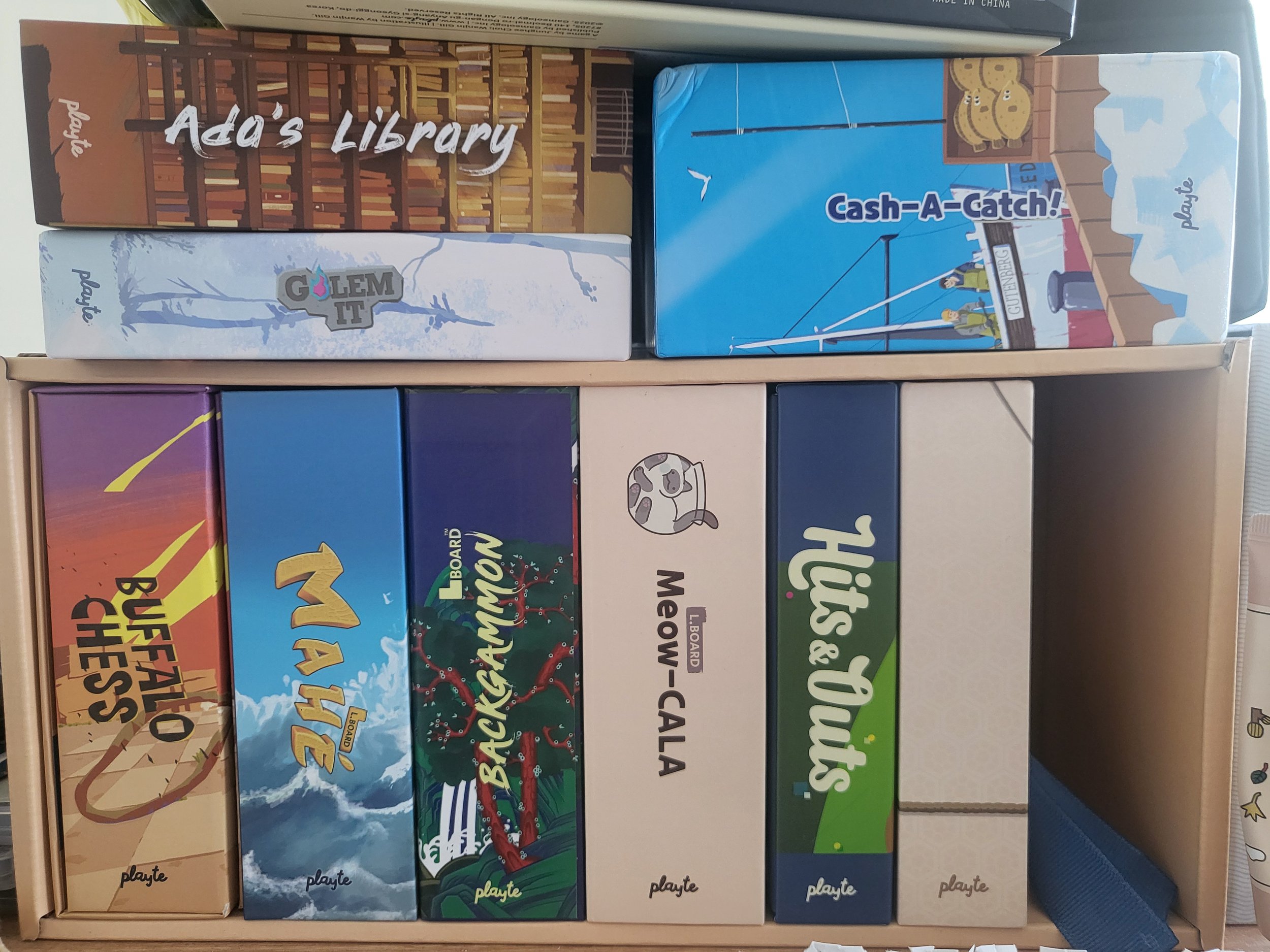
We Intend to Move on Your Works didn’t go into a total hiatus, but we also didn’t get very many episodes out this year, which I’m a little disappointed by. My project to play more Korean War games progressed by playing a longer campaign of OCS Korea, but I did not manage to try out Joe Balkoski’s classic Korean War game. Overall, it was a much better year for Eurogames, especially those published by Playte Games in Korea, than it was for wargames.

Games of History by Apostolos Spanos

Games of History by Apostolos Spanos

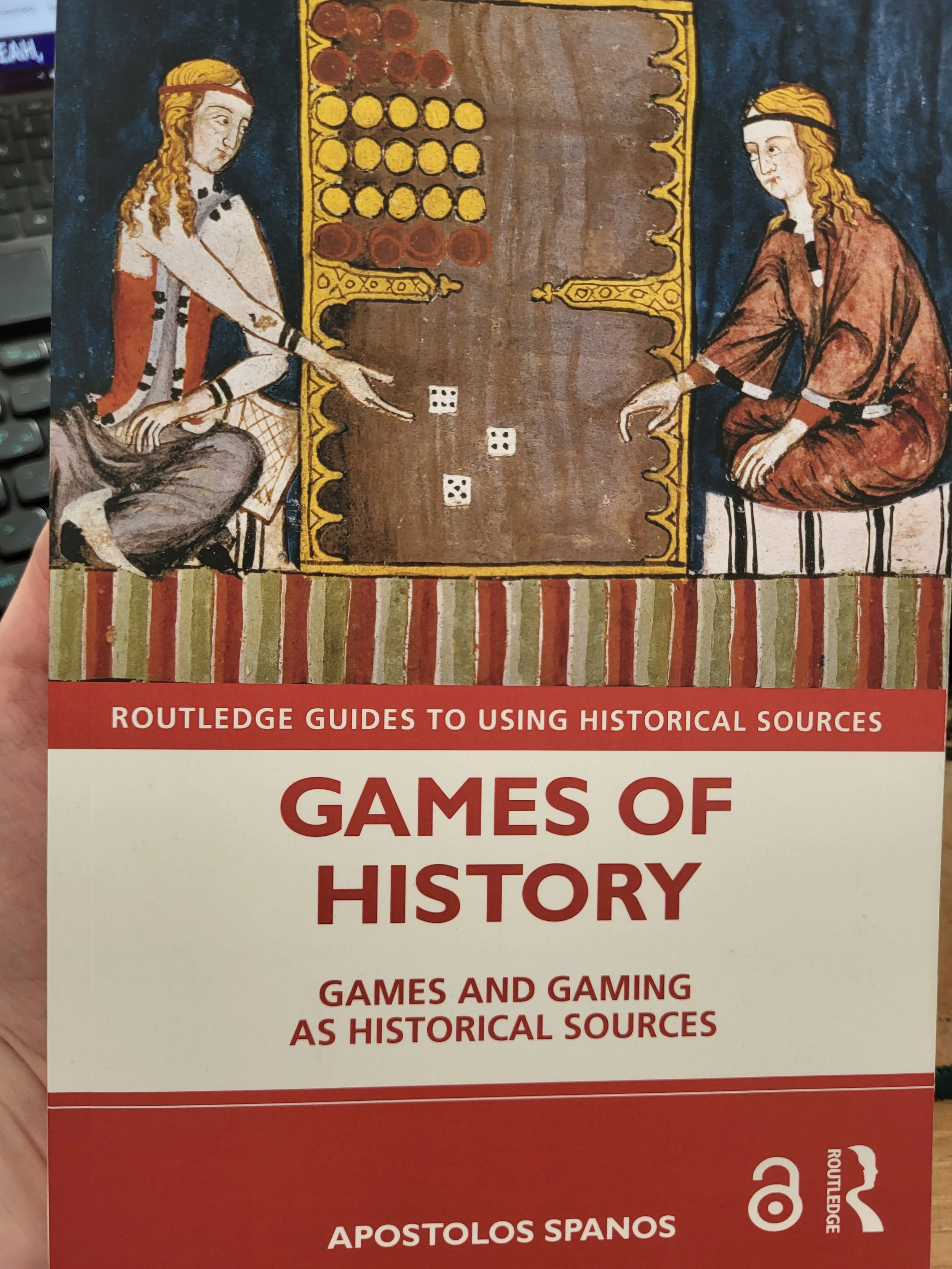
This is a difficult book to review. I did not particularly like it, but that doesn’t necessarily mean that it doesn’t succeed. Games of History is meant to be an introductory text to the methodology of using historical games to explore the societies that made them. It is not a history of games or game design, but rather a guide to how historians can better use games as evidence for understanding historical cultures. Spanos argues that this source material is often neglected by historians, and outside of a few very famous examples I would say he has a point. The history of games is often siloed off and does not intermix with other histories as much as it ought.

Playing at the World, 2e Volume 2: Three Pillars of Role-Playing Games by Jon Peterson

Playing at the World, 2e Volume 2: Three Pillars of Role-Playing Games by Jon Peterson

I have made no secret of my affection for Jon Peterson’s study of the origins of Dungeons and Dragons (D&D), both in its original single volume form and in the new two-volume second edition from MIT Press. I reviewed the revised first volume at the end of last year, and having now completed the second volume I have a greater appreciation of why it was split in two. I am one of the self-confessed sickos who really liked how in the original Playing at the World you were somewhat unceremoniously dumped into extended chapters on the history of fantasy and early wargaming after a brief introduction to D&D, before the story returned to the main arc of D&D’s creation. In the new second edition, all these chapters have been split away from the core narrative of the more personal story of Gygax and Arneson’s gaming histories and the collaboration that led to the creation of D&D. This creates a cleaner first volume, and that is probably the book that most people should read, while volume two is essentially three books (or Pillars, as Peterson calls them) stitched together. The first “Pillar” covers the development of fantasy literature, particularly those works that influenced D&D; the second examines the history of wargames from Chess variants through kriegsspiel and up to the state of the hobby in the early 1970s; and the final one studies how the idea of players role-playing a single character came to be, primarily through the Science Fiction and Fantasy fandoms of the mid-twentieth century but also through wargames campaigns and other interesting avenues. The final product is a massive tome that took me probably two months to read, and it’s not something that is for everyone, but for weirdos like me who are interested in this stuff I cannot recommend it highly enough.

Hoplite by Richard Berg (and Mark Herman)

Hoplite by Richard Berg (and Mark Herman)

I didn’t quite click with Mark Herman’s SPQR, the second volume in the Great Battles of History (GBoH) series that he co-designed with Richard Berg, but I’m nothing if not willing to give a series a second shot. With the recent reprint of Hoplite, volume 15 and the most recent entry in the series, I decided to give it another shot. I was drawn to a few things about Hoplite that I hoped might fix elements that hadn’t quite worked with me in SPQR. Firstly, this is a Richard Berg design and I’m nothing if not a Berg fan. I have had bad experiences with Berg games, but even when I don’t like them, I am generally fascinated by Berg’s takes on history and game design. While I have enjoyed several of Mark Herman’s games in the past, my taste and his are not exactly aligned. The second thing that drew me to Hoplite was that it promised to be a little simpler than earlier entries in the series – stripping out some of the complexity that Berg felt didn’t apply to ancient Greek warfare – and that it was now a chit-pull game. Something I admire about GBoH is how it seems to change significantly between volumes – taking the core but adapting it to each new topic. For that reason, I felt it warranted a second shot. I’m happy to report that I have enjoyed Hoplite quite a bit more than my first dalliance with SPQR, but I’m also still not entirely sure I’m a fan of the series yet.

The Playte Games Tier List (Part 1?)

The Playte Games Tier List (Part 1?)

I mostly write about historical wargames on this website because that’s what I have the most thoughts and opinions about. However, I also love me a classic mid-weight Eurogame. Something German and from the early- or mid-2000s can really get me going. I would love to write more about them, but I don’t have anything interesting to say. In the words of a great philosopher, I just think they’re neat.

When I moved to Korea, I was interested to learn what, if any, games were being made locally. I had previously dug around a little in the Japanese board game scene when I visited there in 2019, but I had very little idea what to expect in Korea. I cannot understate my excitement at discovering Korean publisher Playte. This small operation has published several games for the first time, but it also republishes many classic German-style games with brand new art, usually lovingly made by artist Wanjin Gil. They are also known for their L-Board boxes, where the box itself unfolds into the game board – something that is sometimes brilliant and sometimes feels a bit gimmicky.

Games as Texts by Alayna Cole and Dakoda Barker

Games as Texts by Alayna Cole and Dakoda Barker

Back before I was a Big-Time History Dork (the technical term for anyone with a PhD in history), I studied Philosophy as well. I loved it dearly, but not enough to pursue it into a postgraduate degree for… reasons. There’s an alternate history version of me that took that path, and I’m sure he had a great time. One thing I’ve struggled with after leaving formal academia, and thus having the time and impetus to read it, is diving deep into philosophical reading. Now, Games as Text is more literary criticism than philosophy, but the two topics share a lot in that they’re generally hard to engage with as a casual reader. Thankfully, Games as Texts is doing its best to fix that problem by being a thoroughly approachable introduction to basic literary criticism and showing how it can be applied to games. Well, video games at least.

WItMoYW - Ep. 14 The US Civil War by Mark Simonitch

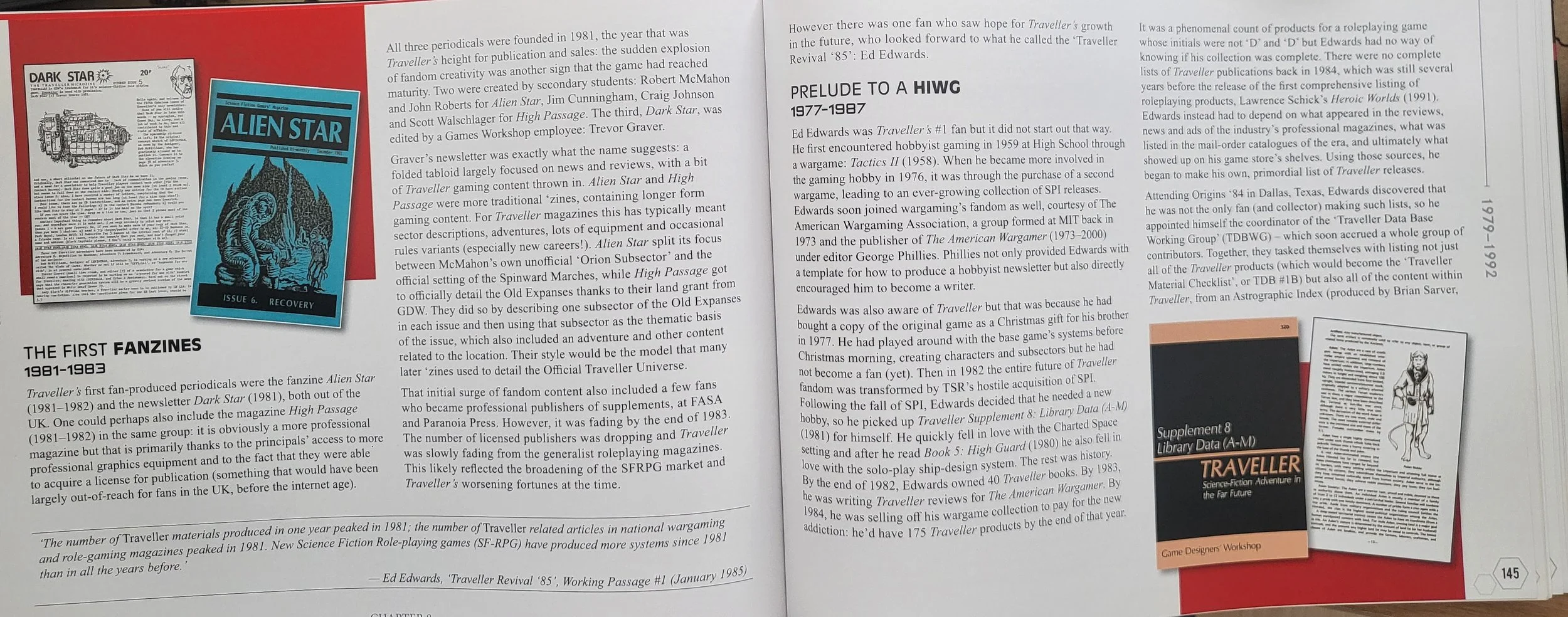
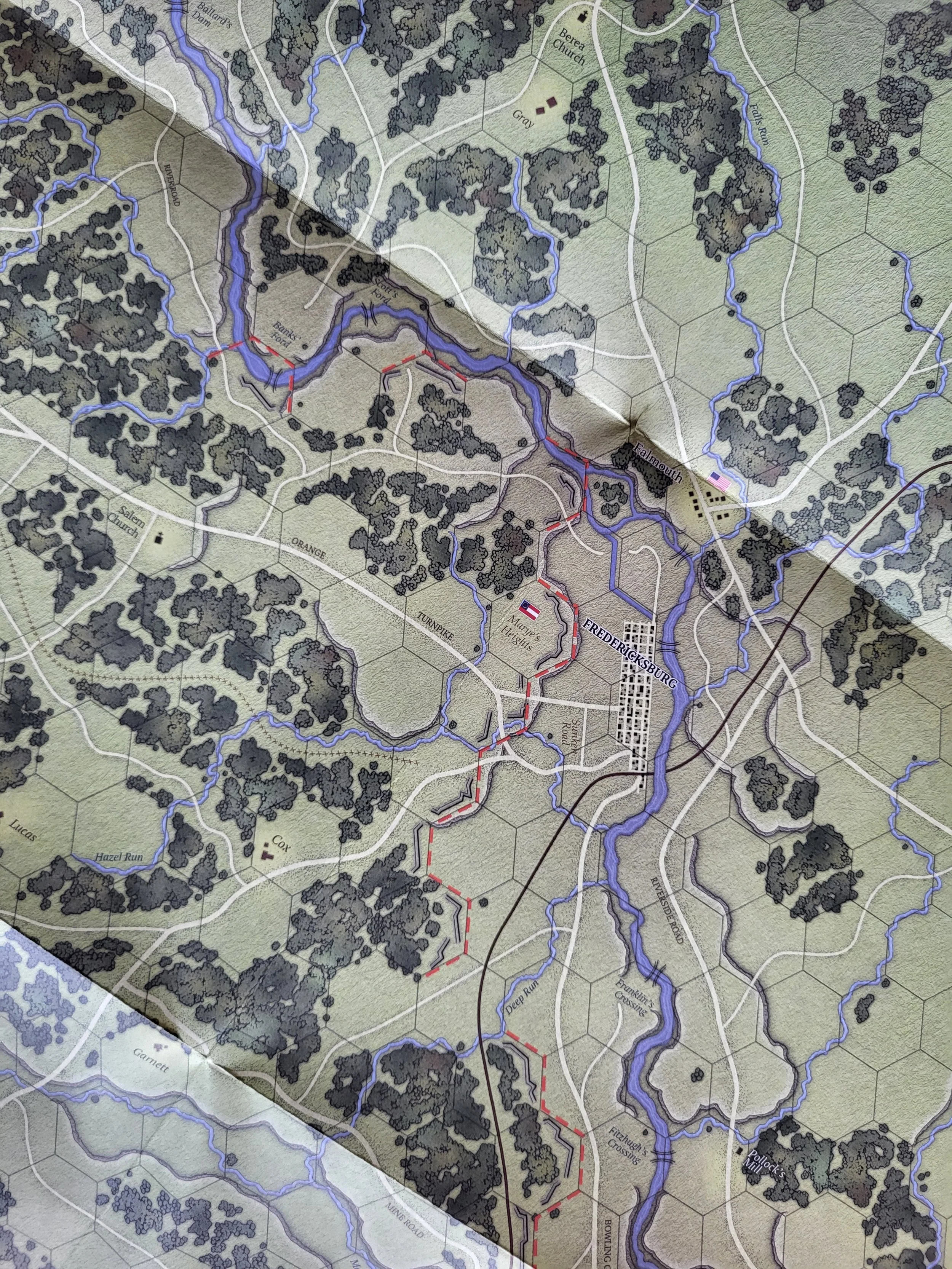
We did it everyone, we reached the end of 1862, and what better way to celebrate than by playing our first strategic game on the American Civil War? Like true connoisseurs, Pierre and Stuart have decided to pursue the Cult of the New and play a game that is only a decade old but has still acquired quite the distinguished reputation: Mark Simonitch’s The US Civil War. What will we think about strategic level ACW? Is there a lengthy discussion of a niche topic of Civil War memory? Did we use the Advanced Naval Rules? What about that rumor of a Top 5 Games list? The answer to these questions and much more can be found within this episode, so what are you waiting for?

Korea the Forgotten War (OCS Korea) by Rod Miller and Dean Essig

Korea the Forgotten War (OCS Korea) by Rod Miller and Dean Essig

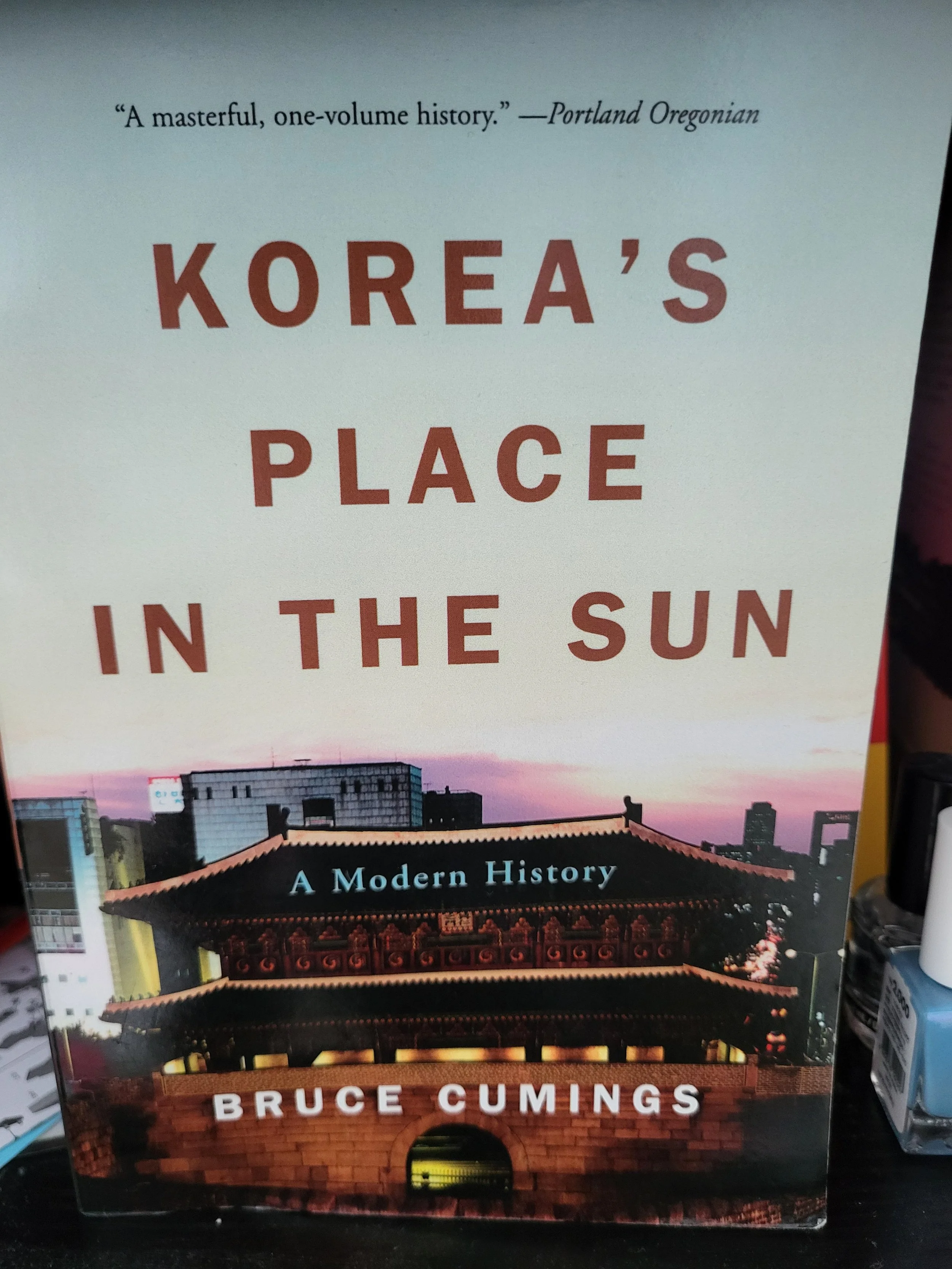
Where do I start with something this big? I have been playing Korea semi-weekly (with a few gaps) since December last year. I’ve played it for at least twenty hours over the past eight months. In addition to my regular two-player game, I’ve dabbled in playing it solitaire. Playing Korea The Forgotten War has probably been my favorite gaming experience of 2025 so far. However, despite spending so much time with this game I still feel like I’ve only begun to dip my toes into its vast sea. In all that time we only played the game’s opening moments. We didn’t even get as far as the UN crossing the border and invading North Korea, let alone the Chinese intervention and the second phase of the Mobile War. For that reason I don’t feel like I am adequately equipped to provide a full review of Korea. I can only describe the glimpse I’ve had of its majesty. Caveats aside, this game is amazing and I love it. It is absolutely worth the time it requires.

The Battle of Castillon – A Reflection

The Battle of Castillon – A Reflection

Today is the anniversary of the battle of Castillion. A year ago today I submitted the final draft of my manuscript for Castillon: The Final Battle of the Hundred Years War to my editor. Now, once again on the anniversary of the battle, my book is out and I thought it would be interesting to write something about the experience of writing it. 

If I’m honest, though, I feel kind of disconnected from the book now. I finished it over a year ago, and while I’ve re-read it in that time as part of proofreading and making the final tweaks to the text, as a project it has felt finished for a long time. In the intervening time I moved to South Korea and started a new job, and I haven’t had much time to think about what that day in 1453 might mean to me still. 

Inventing the Renaissance by Ada Palmer

Inventing the Renaissance by Ada Palmer

As a card-carrying member of the Hates the Term Renaissance club, a not uncommon position for late medievalists like myself who are inclined to resent the division of our time period into dark and golden ages, I was immediately intrigued by Ada Palmer’s reexamination of the term and its time. Inventing the Renaissance promised to deconstruct one of the most mythologized periods of European history, and one that I felt warranted some poking and prodding. Palmer’s book is not a hit piece against late medieval Italy, though. Instead, as all great deconstructions are, it is a combination love letter and deep analysis of a period whose complexities are often painted over by popular narratives that just want to talk about the pretty art and clever people. Further, Inventing the Renaissance performs the magisterial hat trick of being incredibly insightful while also remaining eminently approachable and casual as it dumps a mountain of scholarship on its reader – in the most loving way. It’s an incredibly impressive work, both of scholarship and popular history, and one absolutely worthy of the time its 700+ pages require.

Further Idle Thoughts on Arquebus (Men of Iron vol. 4) by Richard Berg

Further Idle Thoughts on Arquebus (Men of Iron vol. 4) by Richard Berg

I really enjoy playing new games and writing about them for this blog, but sometimes the pressure (mostly from myself) to play the latest game on my shelf means I don’t make enough time to revisit old favorites. I don’t want to sound like an ungrateful whiner, I really appreciate that thanks to review copies I can try so many new and exciting games and I feel privileged to play as many new titles as I do, but at the same time I find myself gazing longingly at old friends, wondering when will I play them again.

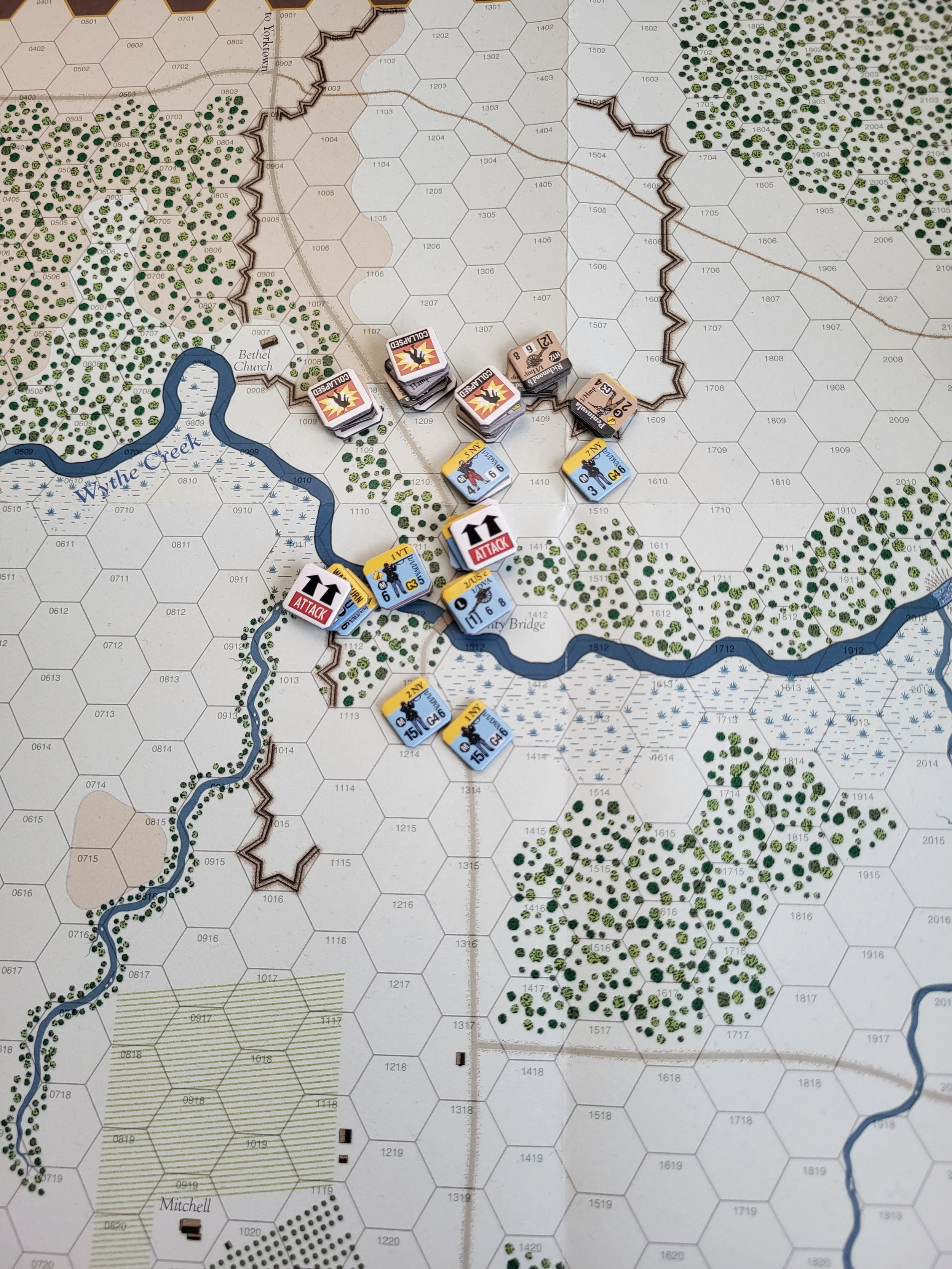
Earlier this month I decided to abandon my sense of obligation and pull one such old friend off the shelf. Men of Iron (MoI) is where I started my wargaming journey, and is easily the series I have written the most about. Of the games in the series, Arquebus remains a favorite, but also one I haven’t given enough attention to either. So, I decided to set up and play through the next two battles in the scenario booklet. I had no thought that I might actually write anything about it, this was purely for fun, but having revisited this system after a long time away from it I have some idle thoughts I’d like to scribble down. I make no promises for this to be top quality analysis, this is instead back of the envelope musings from spending time with an old friend again.

Hunt for Blackbeard by Volko Ruhnke

Hunt for Blackbeard by Volko Ruhnke

At time of writing my Volko Ruhnke’s Hunt for Blackbeard is on track to become my most played game since records began (c.2019, when I installed the BG Stats app on my phone). For all that, I’m not sure it is an all time favorite game for me. It’s just so…more-ish. This is enabled in part by the excellent implementation on Rally the Troops, which is also how I’m reviewing a game which has yet to receive it’s physical release. This means there won’t be any section on the physical production, how it feels to play, or what the blocks taste like. Sorry! In its digital form at least, this cat-and-mouse pirate hunting game flies by in a mere moment but has you wondering what if you did it differently next time. It is by far the shortest and simplest game from designer Volko Ruhnke (known for COIN, Levy and Campaign, and big boy CDGs), but it is not without many of his signature elements as a designer. I’m largely ambivalent about hidden movement games, but I’m logging game after game here, so there must be something noteworthy about this one, right?

What’s in a Name – Defining the Hundred Years War

What’s in a Name – Defining the Hundred Years War

Nobody caught up in the chaos and bloodshed in France between the years 1337 and 1453 ever referred to what was happening around them as The Hundred Years War. Neither did future generations, until the early nineteenth century, when the name was coined by French historians (technically as La guerre de Cent Ans), from where it spread across Europe and the world. Since the concept of The Hundred Years War is entirely a historiographical construct, it was only a matter of time before people began to question whether it made sense. After all, the kings of England and France had fought numerous wars before the Hundred Years War and would continue to do so after, so what made the Hundred Years War a coherent conflict? Buckle up kids, because this might take a while.

How to Pick a Good History Book

How to Pick a Good History Book

One of the more niche skills I, and many others, have acquired in studying for a PhD in history is the ability to identify whether a history book is likely to be good or not. This is also something of a curse, since whenever some non-historian friend shows me a new book they’ve bought or are excited to read, I must suppress (something I don’t always succeed at) the urge to pontificate on the merits of such a book. To do so is, more often than not, to take on the role of a vibe killer by pointing out why X popular history book is fundamentally flawed (looking at you Guns, Germs, and Steel, you know what you did). This leads to a natural follow up, though, of how could I help someone find better history books – how can I share this skill of identifying whether a book is likely to be good or not with others who are interested in reading good history books but didn’t spend years of their life getting a fancy piece of paper to hang on their wall? It’s a rather difficult skill to articulate, but in this post, I’m going to do my best to explain my methods and to also discuss the importance of good history.

My First KBO Game

My First KBO Game

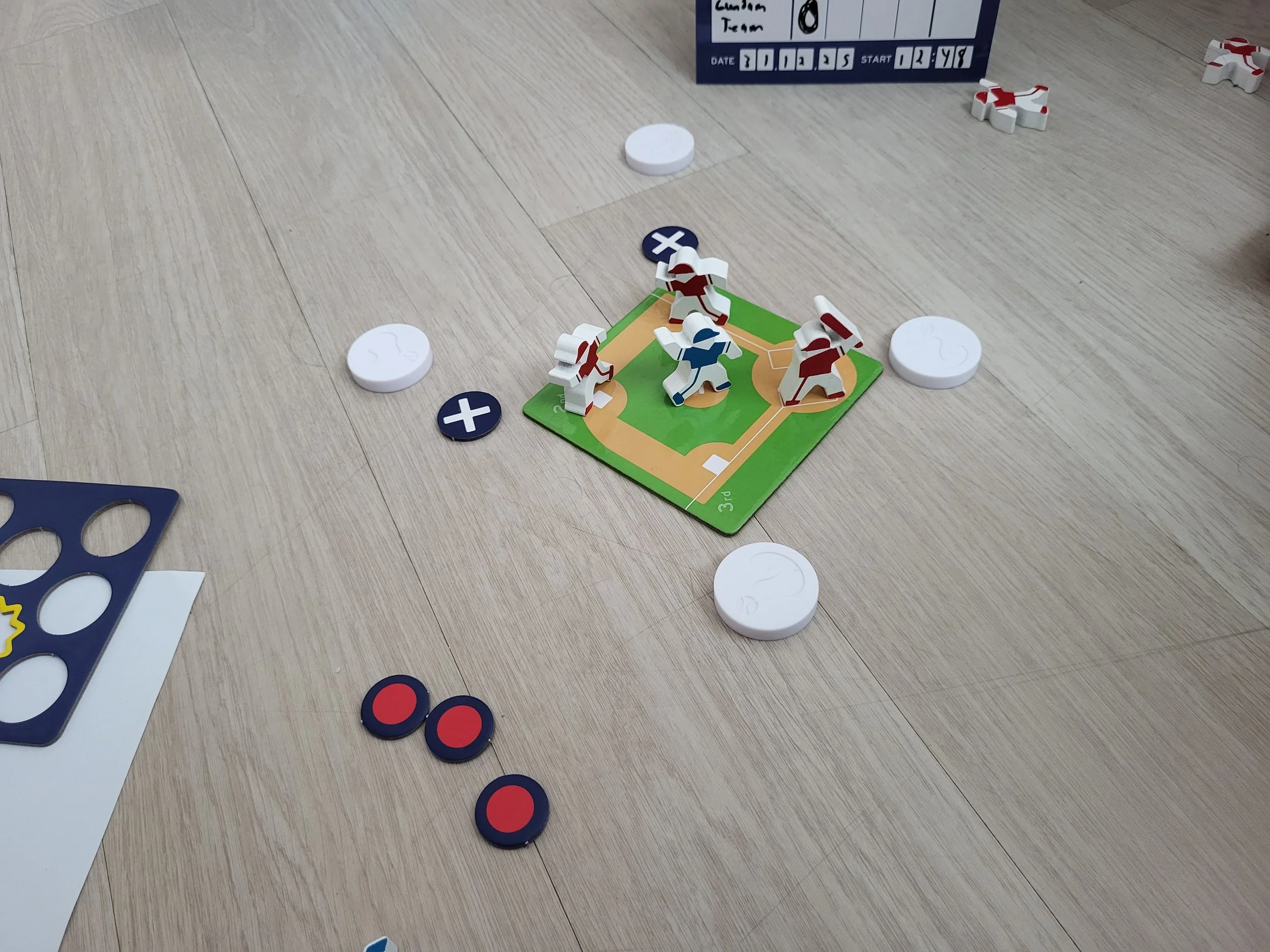
I didn’t really grow up with baseball, or at least watching baseball. I’m still American, so my dad taught me how to throw and how to (kind of) hit a baseball, but I never played outside of our yard, and we never watched games. I can put most of the blame for the latter on the fact that we had no team for most of my childhood – Virginia lacks any major sports teams and Washington, DC (my dad’s hometown and source of our local major sports teams) was in its 33 lacuna of no baseball until I was fifteen, by which point I was a bit too busy to become invested in another sport. I’ve had a passing interest in baseball, and I followed the Nationals 2019 triumph, but only via the newspapers. However, when we were planning our move to Korea, I had heard that attending a baseball game in Korea was a must. While we were surviving our first Korean winter (I say surviving, my wife and daughter loved the freezing cold, me not so much) I was eagerly looking forward to the start of baseball season.

The Wilderness Campaign ed. Gary W. Gallagher

The Wilderness Campaign ed. Gary W. Gallagher

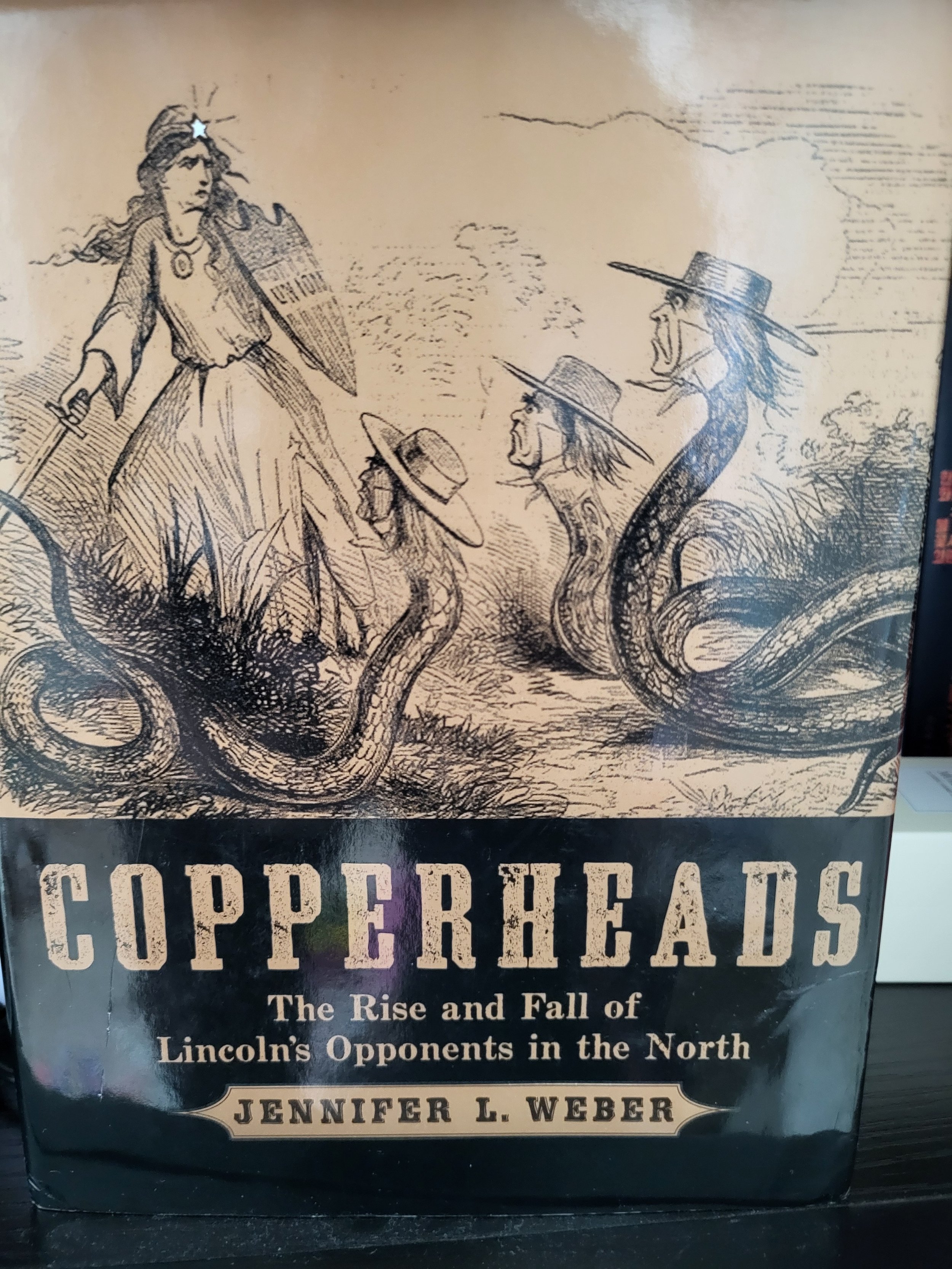
As I child I spent many days in The Wilderness. My father was something of a Civil War buff and on the weekends he would, in moments of desperation, put my brothers and I in the car and drive us to a nearby battlefield where we could run around to our heart’s content. As a result, I have visited the battlefields of central Virginia countless times. The Wilderness was always my favorite. I could say it was because of some enduring fascination with those violent days in May 1864, but in reality, that came later. The Wilderness is fundamentally just a dense forest, and as a kid who liked being outside in the woods that made it infinitely more appealing than an open field.